Mapping French Regulatory Requirements to Cryptocurrency Transaction Security in Virtual Casino Slot Environments
Écrit par Noah Bauer · 24/8/2026
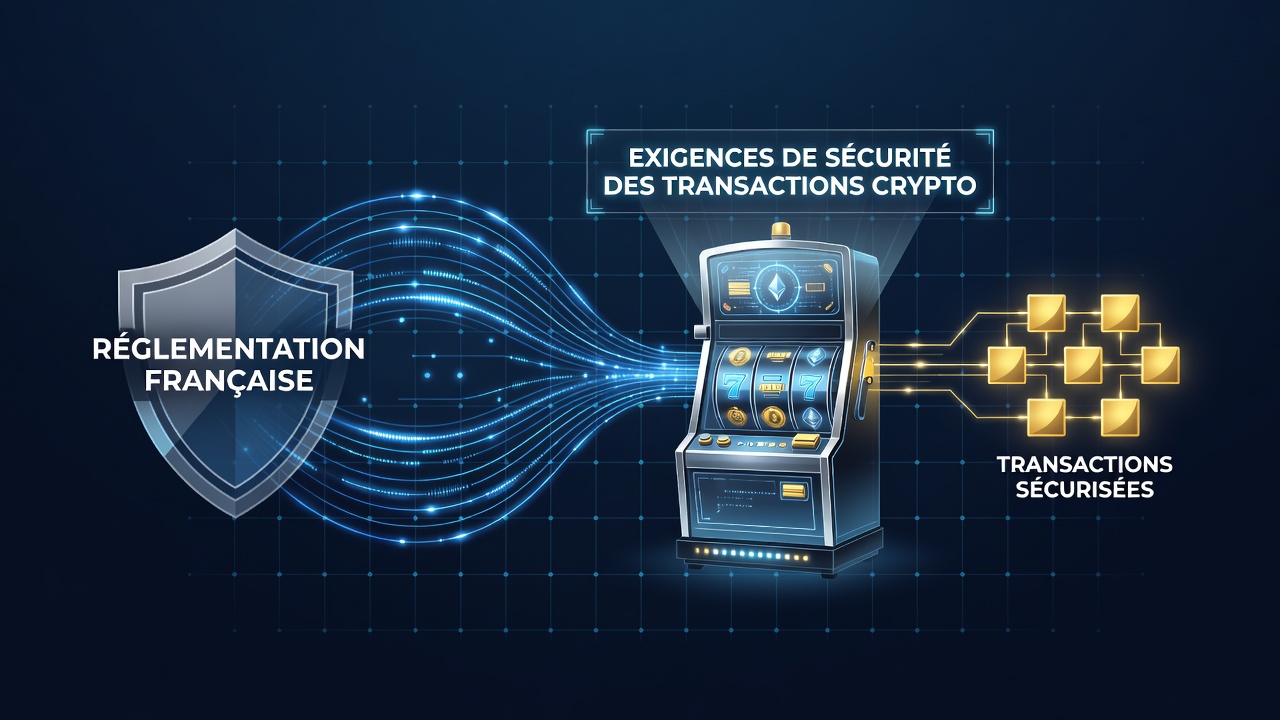
Mapping French Regulatory Requirements to Cryptocurrency Transaction Security in Virtual Casino Slot Environments
French authorities have established detailed frameworks that connect online gambling oversight with digital asset protections, and operators in virtual casino slots must align these elements to maintain secure cryptocurrency transactions. The Autorité Nationale des Jeux oversees licensing while broader European rules on crypto assets shape transaction handling, creating a structured path for compliance across slot platforms.
Core Elements of French Gambling Oversight and Crypto Integration
Virtual casino operations in France fall under the Autorité Nationale des Jeux, which enforces player protection measures alongside anti-money laundering protocols that extend directly to cryptocurrency flows. These rules require operators to verify user identities before processing digital asset deposits or withdrawals, and slot environments must incorporate encryption standards that match national data security expectations. Research from European regulatory bodies shows that such alignments reduce unauthorized access incidents by integrating wallet authentication with existing gambling compliance systems.
Slot games present unique transaction patterns because players often make frequent small bets in crypto, which demands real-time monitoring tools that flag unusual activity without disrupting gameplay. French requirements emphasize continuous logging of wallet addresses and transaction hashes, while MiCA guidelines from the European Union add layers of asset custody rules that operators must follow when holding player funds in virtual environments.
Transaction Security Protocols Tied to Regulatory Demands
Cryptocurrency security in these settings relies on multi-signature wallet configurations and segregated account structures that separate operational funds from player balances. Data indicates that French-licensed platforms adopting these methods experience fewer breach reports, particularly when combined with on-chain analytics that trace fund movements back to approved sources. Observers note that August 2026 marks a period when several updated MiCA enforcement deadlines take effect, prompting operators to reassess their slot transaction pipelines for full alignment.
Applying Requirements Specifically to Virtual Slot Sessions
Slot environments differ from table games because automated random number generators run continuously and bet volumes can spike during bonus rounds, so security mapping must account for these rapid cycles. Experts have mapped French anti-money laundering thresholds to crypto transaction limits, requiring enhanced due diligence once cumulative bets reach certain euro equivalents. This approach connects directly to wallet screening tools that scan for sanctioned addresses before any slot spin processes.
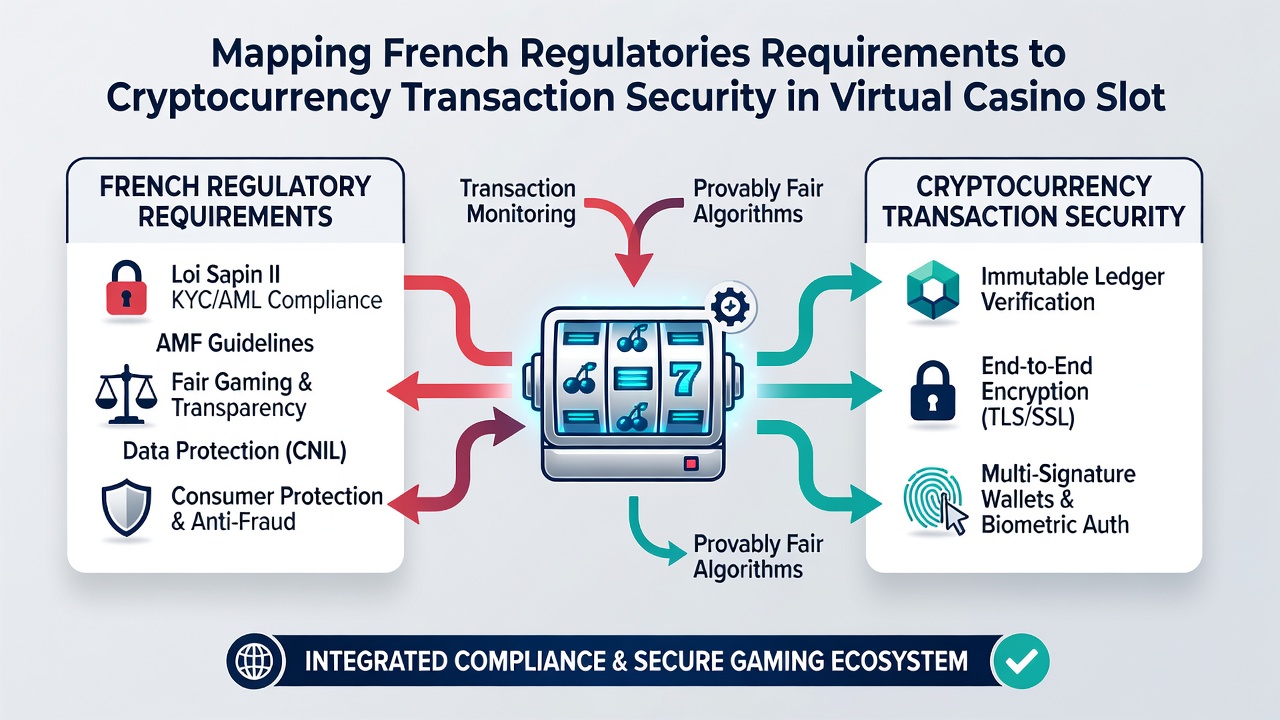
Operators implement API connections between slot software and compliance dashboards so that every crypto transfer triggers an automated check against regulatory lists. Studies from academic research institutions reveal that such integrations cut processing delays while preserving audit trails that satisfy both national gambling inspectors and European crypto supervisors. Those who have examined these systems find that slot-specific features like progressive jackpots require additional safeguards to isolate large payouts and route them through verified channels only.
Implementation Patterns Across Licensed Platforms
Many French-regulated virtual casinos now use standardized security templates that translate ANJ directives into technical specifications for blockchain interactions. These templates cover key management, cold storage ratios, and incident response timelines that align with both gambling and crypto asset rules. Figures from industry reports show adoption rates climbing steadily as platforms prepare for the next round of compliance reviews scheduled around mid-2026.
Geographic diversity in regulatory examples helps clarify the picture. Canadian provincial frameworks offer comparative models for crypto verification speed, while Australian research papers on digital payment security provide benchmarks for encryption strength in high-volume gaming sessions. Operators reference these sources when refining their own slot transaction layers to meet French standards without unnecessary overhead.
Conclusion
The mapping process between French regulatory requirements and cryptocurrency transaction security continues to evolve within virtual casino slot environments, driven by overlapping obligations from national gambling authorities and European digital asset rules. Platforms that maintain clear documentation of each control and its regulatory origin demonstrate stronger audit readiness as enforcement milestones approach in August 2026. Continued coordination between these domains supports consistent security outcomes across licensed operations.